
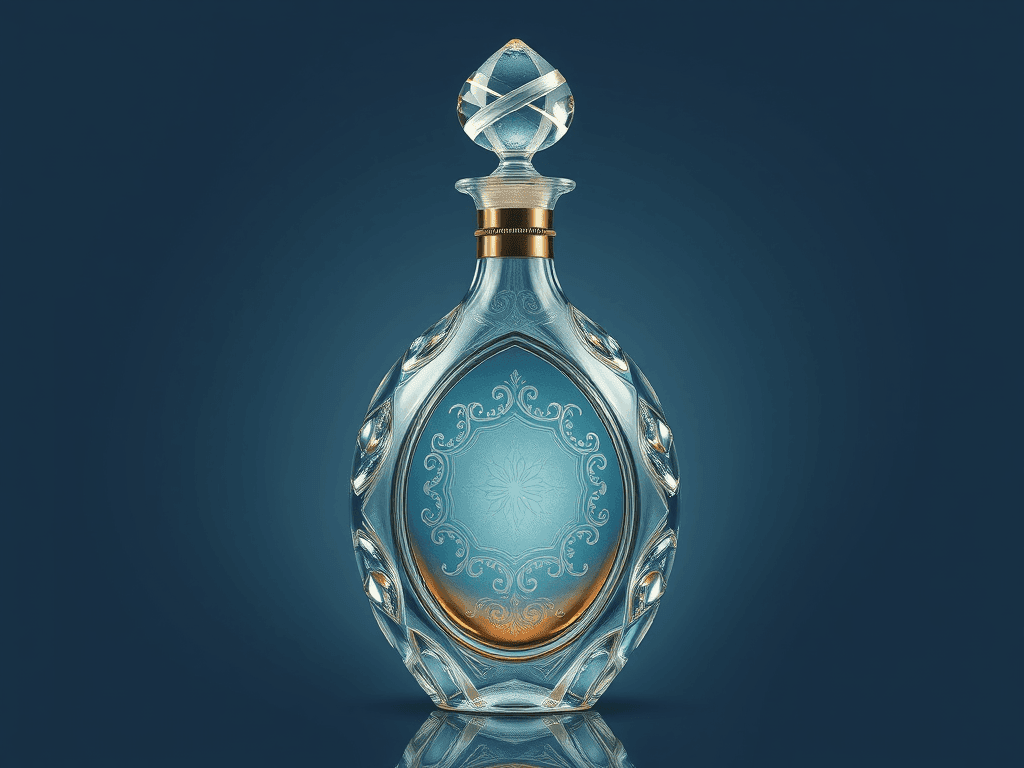

Early Europeans used a wide variety of containers including porcelain, gold, silver, shells, semi-precious stones and glass. Some containers were in beautifully shaped bottles that had been designed by artists including jewelry pieces. The majority of perfume was sold in plain bottles then put into decorative costly perfume dispensers and bottles at home.
The history of perfume bottles is as rich and intricate as the fragrances they hold, reflecting not only the evolution of perfumery but also advancements in art, culture, and craftsmanship. From the earliest civilizations to modern luxury brands, these vessels have transcended mere functionality to become symbols of status, artistry, and innovation.
In ancient Egypt, perfume was deeply intertwined with religious and daily life, stored in containers made from alabaster, ceramic, and the earliest forms of glass. Around 1500 BCE, Egyptian artisans developed glassmaking techniques, producing small, ornate perfume bottles, some of which were found in the tomb of Tutankhamun. The Greeks and Romans further refined the craft, using blown glass and amphora-shaped vials to store fragrant oils. Roman glassmakers, in particular, created intricate designs with swirling colors, reflecting the growing appreciation of perfume as both a luxury and a necessity.
As perfumery flourished during the Renaissance and Baroque periods, so did the artistry of perfume bottles. Venetian glassmakers on the island of Murano became famed for their elaborate, gilded flacons, while 17th-century France—under the patronage of Louis XIV—saw the rise of ornate, jewel-encrusted scent bottles. Perfume pomanders, often made of gold and precious stones, became fashionable accessories among the European elite, demonstrating the deep cultural significance of fragrance.
The 19th and early 20th centuries marked a turning point in perfume bottle design, as industrial advancements allowed for mass production while maintaining artistic integrity. One of the most influential figures of this era was René Lalique, a master glassmaker who collaborated with François Coty to create sculpted flacons that embodied both artistic expression and commercial appeal. This period saw the rise of Art Nouveau and later, the bold geometric forms of Art Deco, exemplified by the iconic bottles of Chanel No. 5 and Guerlain’s Shalimar.
Beyond their aesthetic appeal, perfume bottles have played a crucial role in shaping the cultural perception of fragrance. The intricate craftsmanship, choice of materials, and innovative shapes have transformed these vessels into collectible art pieces, with brands leveraging design to communicate luxury, exclusivity, and identity. Salvador Dalí’s surrealist bottle designs, Elsa Schiaparelli’s whimsical creations, and modern niche brands embracing minimalist elegance all highlight how bottle artistry continues to evolve alongside scent composition.
Today, perfume bottles remain more than just containers; they are storytellers, evoking emotion, nostalgia, and desire. Whether inspired by ancient craftsmanship or contemporary innovation, their design continues to captivate collectors and fragrance enthusiasts alike, reinforcing the timeless connection between art and scent.