
Fragrance & Culture
In Día de Muertos, scent appears alongside color, food and ritual as a powerful language of remembrance. Families use it to welcome the people they have lost, and the smells are chosen with care.
At a Glance
- When: November 1 and 2
- Where: Mexico and communities across Latin America
- Flower: Cempasúchil, the Mexican marigold
- Incense: Copal, a tree resin
- On the altar: Pan de muerto, chocolate, tequila and other favorites of the person remembered
Marigolds and Guidance
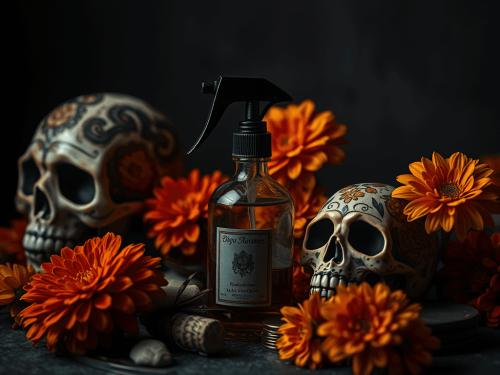
Cempasúchil is the flower of the holiday. Its bright color and strong scent are believed to help the dead find their way back to the living. That is why you see the petals on altars and graves. The smell is green and pungent, far sharper than a florist’s bouquet.
Copal and Connection
Copal is a tree resin burned as incense at the altar. The Associated Press reports that its scent is said to guide the dead along with the marigolds. The Grace Museum adds that copal is treated as a purifier and that its rising smoke is thought to carry prayers upward. The word comes from the Náhuatl copalli.
Food, Drink and Familiarity
The altar also holds the favorite food and drink of the person being remembered. Pan de muerto is the sweet bread of the season, and the Associated Press describes it as flavored with orange blossom. Chocolate and tequila often sit beside it. These aromas are personal. They are the smells of one kitchen and one family, which is what gives them their force.
What You Can Take From It
Fragrance is much larger than bottled perfume. If you want to understand why a scent can bring a person back to mind, this tradition is one of the clearest examples I can point you to. Think about the smells you connect with someone you love. That is the same idea at work.
Why It Matters
Approach the tradition with respect. These aromas belong to a living cultural and family practice, not to an aesthetic trend.